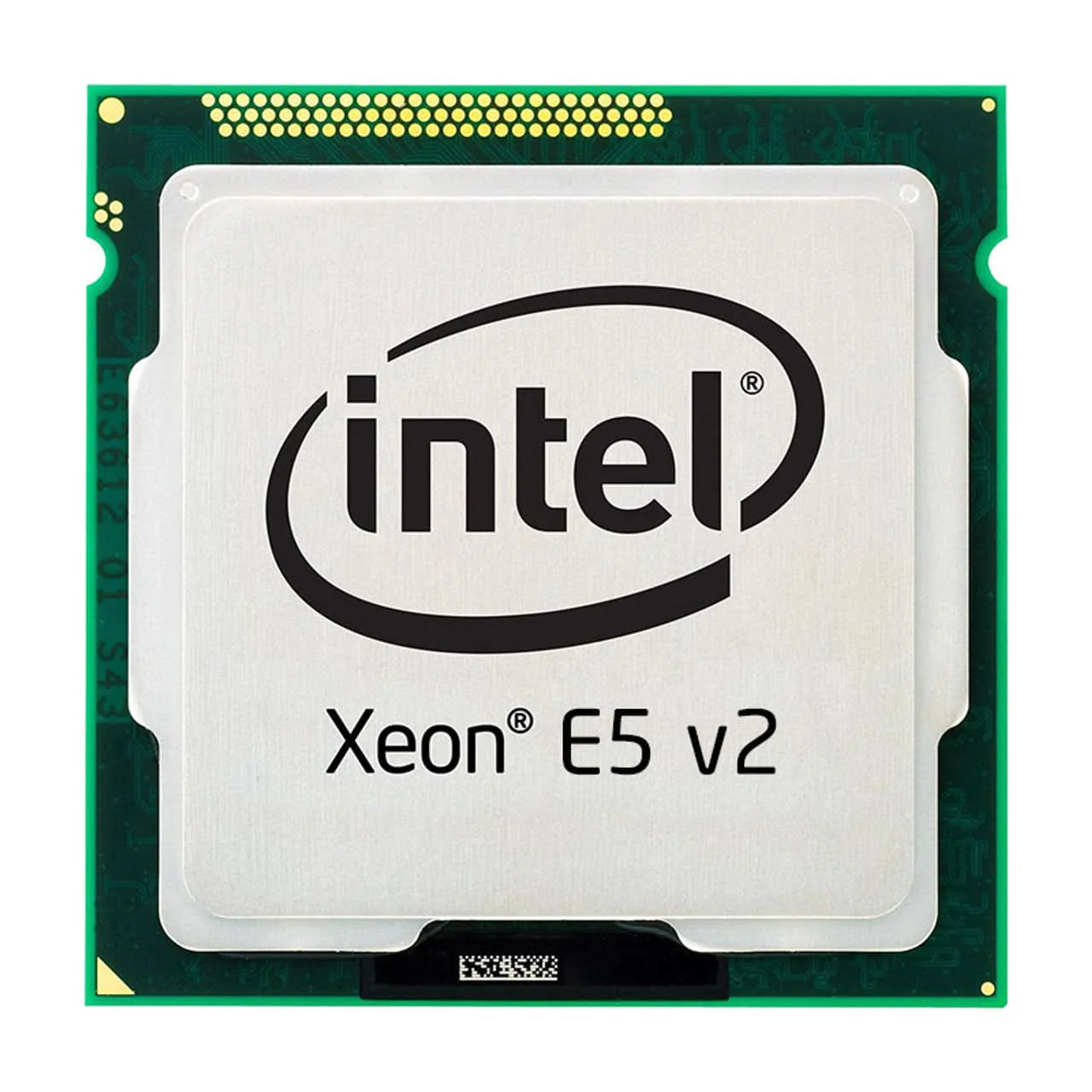
Intel Xeon E5-2690 v2 Deca-core (10 Core) 3 GHz Processor -
Modernize on Intel® infrastructure Efficient IT infrastructure starts with industry-leading server technology. New Intel® Xeon® processors reduce server space, cooling costs, and energy use, while the Intel® 10GbE Server Adapter simplifies network design and storage complexity. Industry trend assessments show that adopting high-ambient temperature designs raises optimal temperature set points, which significantly reduces data center cooling and power utilization costs.
Modernize on Intel® infrastructure Efficient IT infrastructure starts with industry-leading server technology. New Intel® Xeon® processors reduce server space, cooling costs, and energy use, while the Intel® 10GbE Server Adapter simplifies network design and storage complexity. Industry trend assessments show that adopting high-ambient temperature designs raises optimal temperature set points, which significantly reduces data center cooling and power utilization costs.
Description
Modernize on Intel® infrastructure Efficient IT infrastructure starts with industry-leading server technology. New Intel® Xeon® processors reduce server space, cooling costs, and energy use, while the Intel® 10GbE Server Adapter simplifies network design and storage complexity. Industry trend assessments show that adopting high-ambient temperature designs raises optimal temperature set points, which significantly reduces data center cooling and power utilization costs.